Photographing Pool Homes in Florida: The Complete Guide
A pool is one of the most valuable features a Florida home can have — and one of the most difficult to photograph well. Here is how to capture pools, lanais, and outdoor living spaces at their best.
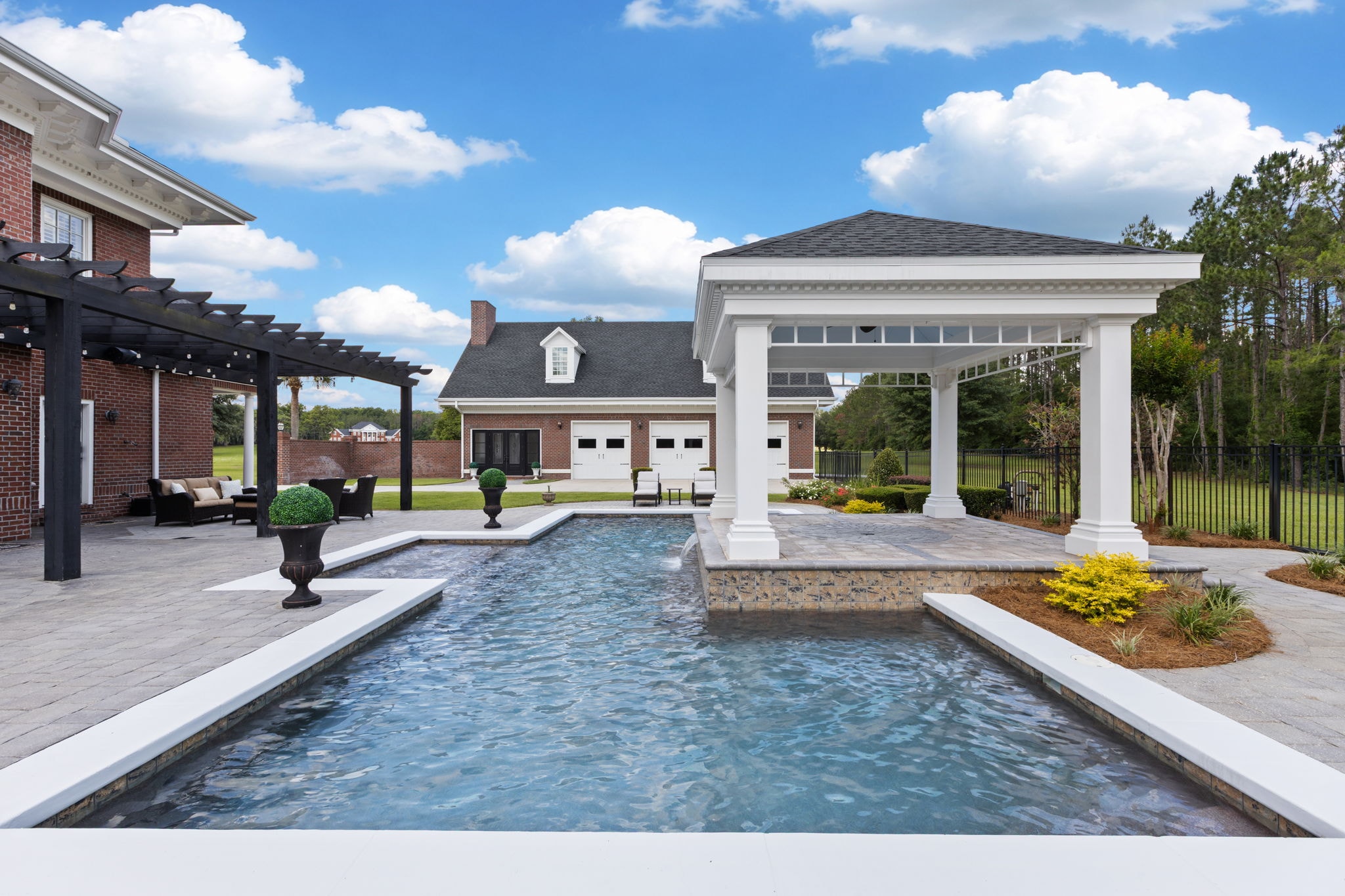
In North Florida, a pool is not just an amenity — it is a lifestyle statement. For buyers relocating from northern states, a screened pool enclosure with an outdoor kitchen and a view of the backyard is often the deciding factor in a purchase decision. Yet pool photography is consistently one of the most poorly executed aspects of real estate media.
Here is how to do it right.
The Timing Problem
The most common mistake in pool photography is shooting at the wrong time of day. Florida's midday sun creates harsh reflections on the water surface, blows out the sky, and casts deep shadows under the screen enclosure. The result is a pool that looks uninviting and overexposed.
The solution is to shoot pools during the golden hour — the 30–45 minutes after sunrise or before sunset — when the light is warm, low-angle, and diffused. At this time, the pool water takes on a deep blue-green color, the surrounding landscaping glows, and the screen enclosure becomes nearly invisible, opening up the view.
For the most dramatic results, twilight photography — shot in the 20 minutes after sunset — is the gold standard for pool homes. With the pool lights on, the spa bubbling, and the sky painted in deep blues and purples, a twilight pool shot is one of the most compelling images in real estate photography.
Drone Photography for Pool Homes
A ground-level pool shot shows the pool. A drone shot shows the entire outdoor living environment — the pool, the lanai, the outdoor kitchen, the surrounding landscaping, and the relationship between the outdoor space and the home's architecture.
For pool homes with significant outdoor living areas, a drone shot from 50–80 feet directly above the pool looking down creates a stunning top-down perspective that is impossible to achieve from the ground. This shot is particularly effective for pools with geometric shapes, water features, or elaborate tile work.
Preparing the Pool for Photography
The pool must be in perfect condition before the shoot. This means:
Crystal clear water — Any cloudiness or green tint will be magnified in photography. The pool should be serviced and balanced at least 48 hours before the shoot.
All lights on — Pool lights, spa lights, and any underwater LED features should be tested and operational before the photographer arrives.
Clean deck — The pool deck should be swept, hosed down, and free of leaves, toys, and equipment. Furniture should be arranged intentionally, not just pushed to the side.
Towels and accessories staged — Rolled towels on a lounge chair, a tray with drinks on the outdoor table, and a few potted plants add lifestyle context without looking cluttered.
The Screened Enclosure Challenge
Florida's screened pool enclosures present a unique photography challenge. From certain angles, the screen creates a visible grid pattern that can make the pool area look caged rather than open. Professional photographers manage this by:
- Shooting from inside the enclosure looking out, which makes the screen nearly invisible
- Using a wide aperture to blur the screen into the background
- Choosing angles where the screen is backlit, which reduces its visual prominence
Conclusion
A well-photographed pool home commands a premium in the North Florida market. The investment in professional photography — especially twilight and drone shots — pays for itself many times over in buyer engagement and final sale price. Sky Monkey Media specializes in pool and outdoor living photography throughout North Central Florida. Contact us to schedule your shoot.
Explore Topics
Written by
Sky Monkey Media
Content creator and writer sharing insights and stories.